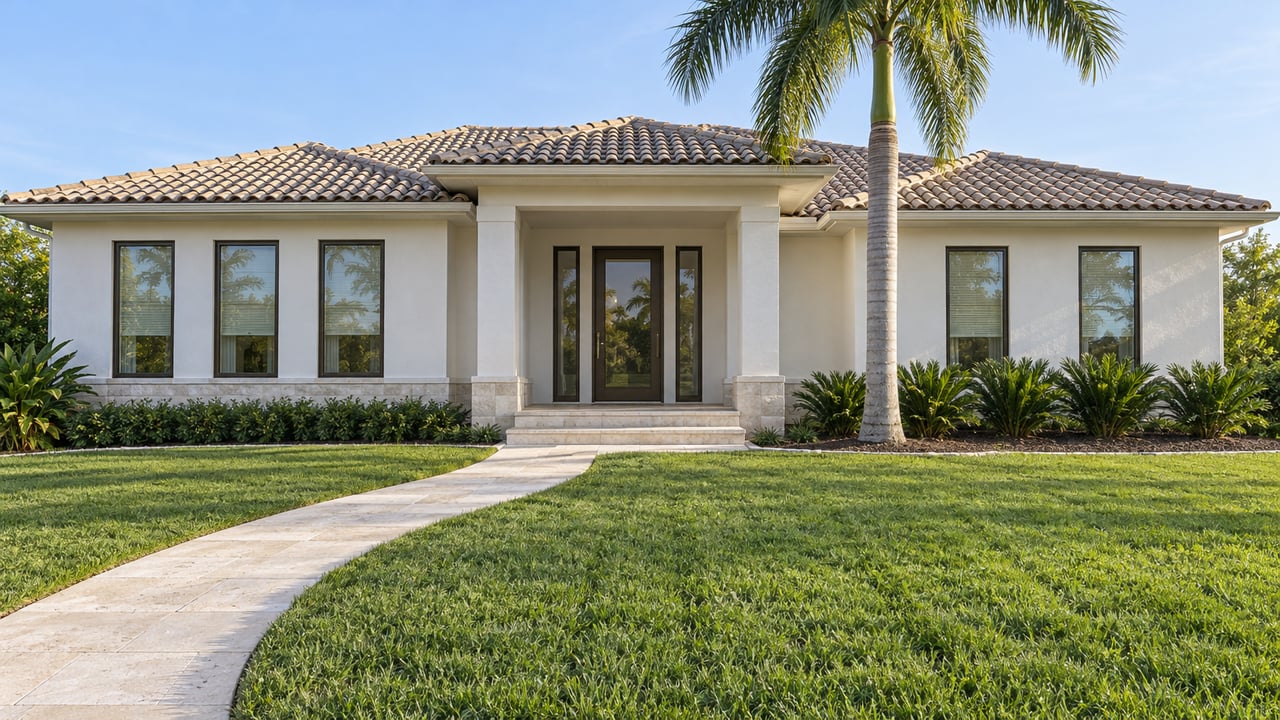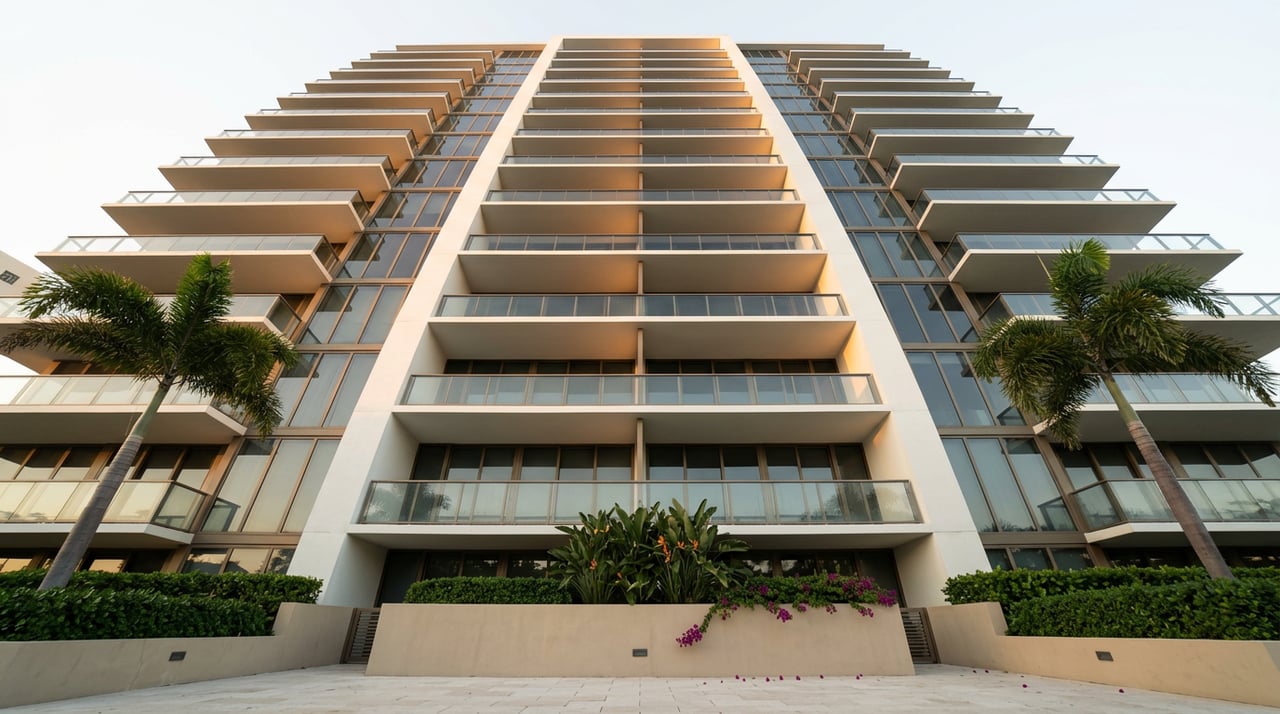
Wondering whether a Miami luxury condo or a luxury house is the smarter move? In this market, the answer is not just about style or square footage. It comes down to how you want to live, what costs you want to manage, and how important resale flexibility is to your long-term plan. If you are weighing both options in Miami, this guide will help you compare the tradeoffs with more clarity. Let’s dive in.
Miami Luxury Market Snapshot
Miami-Dade is moving in two different directions right now, depending on property type. In Q1 2026, the countywide median sale price was $680,000 for single-family homes and $422,000 for townhouses and condos. Inventory also looked very different, with 5.7 months of supply for single-family homes and 13.0 months for condos and townhomes.
That gap matters if you are shopping in the luxury space. MIAMI Realtors placed the 2026 luxury threshold at $3.4 million for single-family homes and $3.0 million for condos in Miami-Dade. Even within the county, pricing varies a lot by submarket, with places like Key Biscayne and Bal Harbour showing how local the luxury conversation really is.
Why the Property Type Matters
A luxury condo and a luxury house can both be strong purchases in Miami. Both segments have seen major long-term appreciation since 2011, with condos up 265% and single-family homes up 293.7%, according to MIAMI Realtors. That means the choice is usually less about whether one can build value and more about which ownership model fits your life.
Your decision should center on five practical questions:
- How much maintenance do you want to handle directly?
- How important are privacy and control?
- Are you comfortable with shared building governance?
- What kind of insurance and carrying costs fit your budget?
- How much do you value future resale liquidity?
Luxury Condo Living in Miami
Condo Benefits to Consider
For many buyers, a luxury condo offers convenience that is hard to ignore. You may have less direct responsibility for exterior maintenance, landscaping, and shared amenities. That can be especially appealing if you use the property seasonally, travel often, or want a more lock-and-leave lifestyle.
Condos can also be a strong fit if your priorities center on views, building services, and ease of ownership. In the right building, that structure can simplify day-to-day responsibilities compared with managing a detached home. In Miami, that lifestyle has real appeal for both local and international buyers.
Condo Costs and Risks to Understand
The tradeoff is that a condo purchase is also a building decision, not just a unit decision. Florida guidance notes that the association master policy usually does not cover many unit interiors, including personal property, certain finishes, appliances, built-in cabinets and countertops, and window treatments. Owners also need HO-6 coverage with at least $2,000 of loss-assessment coverage.
That means your monthly costs and future exposure are tied partly to the building's financial health. If reserves are insufficient, owners may face assessments for common-area damage or major repairs. In practice, that makes review of budgets, reserves, and inspection records essential.
Condo Due Diligence Is Essential
In Miami, condo due diligence now carries more weight than it did a few years ago. Florida law requires milestone inspections for certain condominium and cooperative buildings that are three habitable stories or more when they reach 30 years of age, and then every 10 years after that. In some coastal areas, local enforcement can trigger the first inspection at 25 years.
A separate requirement, the structural integrity reserve study, or SIRS, focuses on reserve planning for major building components. For many associations, required reserve funding can no longer be waived or reduced for items covered by the SIRS. For you as a buyer, that means the building's inspection history, reserve schedule, and financial discipline matter just as much as the finishes inside the residence.
Florida law also gives condo buyers access to a substantial set of documents. These include the declaration, bylaws, annual financial statement and budget, milestone inspection summary if applicable, the most recent SIRS or a statement that none exists, and other governance materials. Reviewing those documents carefully can help you understand not just what you are buying, but how the building is being run.
Luxury House Living in Miami
House Benefits to Consider
If you want more privacy, more land, and more freedom to customize, a luxury house may be the better fit. A detached home gives you more direct control over the property itself, from exterior design choices to outdoor living improvements. For many luxury buyers, that flexibility is a major advantage.
Houses may also offer stronger near-term liquidity in Miami-Dade today. In Q1 2026, single-family homes reached contract in 58 days compared with 85 days for condos and townhomes. Single-family homes also received 94.5% of original list price versus 93.0% for condos and townhomes.
House Responsibilities to Budget For
The tradeoff with a house is that the responsibility shifts more directly to you. Florida homeowners guidance for owner-occupied single-family homes centers on coverage for the dwelling, other structures, contents, and additional living expenses. Premiums can depend on location, coverage amount, fire protection class, mitigation credits, construction type, age, and prior coverage.
In practical terms, that means you need to budget for the roof, exterior, storm preparation, grounds, and long-term maintenance. You gain more control, but you also carry more of the upkeep decisions yourself. For some buyers, that is a benefit. For others, it is a burden.
Insurance, Flood, and Storm Reality
Condo Insurance Basics
With a condo, your insurance planning starts with understanding what the association covers and what it does not. The building may carry the master policy, but important interior items may still fall on the unit owner. That is why policy review is so important before closing.
You should also remember that flood risk remains a broader Miami issue regardless of property type. Florida's Office of Insurance Regulation says most homeowners policies do not cover flooding, and flood insurance usually must be purchased separately. Depending on the location, it may also be required by your lender.
House Insurance Basics
With a house, flood and storm exposure often feel more direct because the full property envelope is your responsibility. Miami-Dade and City of Miami resilience materials both emphasize flood exposure, storms, sea-level rise, and saltwater intrusion. The City of Miami also encourages owners to harden homes against flood, wind, heat, and storms.
For a luxury house buyer, this means evaluating not only the home's design and condition, but also its resilience profile. Insurance costs, hardening improvements, and long-term maintenance should be part of the purchase conversation early, not after you are under contract.
Financing and Resale Considerations
Condos Can Have a Narrower Buyer Pool
Not every luxury buyer needs financing, but future resale still matters. MIAMI Realtors reported in March 2026 that only 21 of 2,397 condo buildings across Miami-Dade, Broward, and Palm Beach counties were FHA-approved. While FHA financing is not the main path for many luxury transactions, building-level approval issues can still limit parts of the future buyer pool.
Cash also plays a larger role in condo transactions. In March 2026, cash sales made up 49.8% of existing condo sales compared with 26.3% of single-family sales. That can make condo resale more dependent on buyers who are comfortable with building-specific risk and often have stronger liquidity.
Houses Show Stronger Liquidity Right Now
Single-family homes currently have the edge in market speed and pricing power. Inventory remains tighter, and that tends to support both seller leverage and buyer confidence in future resale. If exit flexibility matters to you, that is a meaningful advantage.
That does not mean condos are a poor choice. It means your condo selection needs to be more disciplined. In this market, well-run buildings with clear records and stable reserves are more likely to stand out.
Taxes and Primary Residence Planning
If you plan to make the property your permanent home, Miami-Dade's homestead exemption rules are worth reviewing. Permanent owners of a primary home may qualify for homestead exemption, Save Our Homes, and portability benefits. Those tax advantages depend more on primary residence status than on whether the property is a condo or a house.
This is helpful because it keeps the tax conversation focused on use, not just property type. If you are deciding between a luxury condo and a luxury house for full-time living, homestead planning should be part of the comparison.
A Simple Miami Decision Framework
Choose a Luxury Condo If You Want
A condo may make more sense if your goals line up with these priorities:
- Lower direct exterior maintenance
- A more convenient lock-and-leave lifestyle
- Shared management of the building and common areas
- Comfort reviewing association budgets, reserves, and inspections
- Willingness to trade some control for convenience
The best condo candidates are usually buildings with a clear inspection history, healthy reserves, and clean governance records. In Miami's current market, that due diligence can make all the difference.
Choose a Luxury House If You Want
A house may be the better fit if your priorities look more like this:
- More privacy and separation
- Land, outdoor space, or waterfront flexibility
- Greater freedom to renovate or personalize
- Stronger near-term resale liquidity
- Comfort budgeting for insurance, storm hardening, and upkeep
For long-term house value, key drivers often include location, elevation or flood risk, condition, and maintenance discipline. In other words, buying the right house means looking beyond finishes and focusing on the full ownership picture.
The Right Choice Depends on You
In Miami, a luxury condo is not automatically the easier option, and a luxury house is not automatically the better investment. Each comes with a different cost structure, decision-making model, and resale path. The strongest choice is the one that fits your lifestyle, your risk tolerance, and your timeline.
If you want a polished, practical strategy for comparing luxury condos and houses in Miami, working with a team that understands both the numbers and the day-to-day realities can save you time and help you make a more confident decision. If you are ready to talk through your options, connect with The Paiz Group - 2nd website (.ai).
FAQs
How is the Miami luxury market different for condos and houses?
- In Miami-Dade, single-family homes are currently a tighter market with lower inventory and faster contract times, while condos have higher inventory and more buyer leverage.
What should you review before buying a Miami luxury condo?
- You should review the association budget, financial statements, reserve study, inspection history, milestone inspection summary if applicable, and key governance documents.
Are Miami luxury houses easier to resell than luxury condos?
- Current Miami-Dade data suggests single-family homes have stronger near-term liquidity, with faster time to contract and slightly stronger list-to-sale price performance.
Does flood insurance matter for Miami luxury condos and houses?
- Yes. In Miami, flood exposure is an important factor for both property types, and flood insurance is usually separate from standard homeowners coverage.
Do property taxes favor a Miami condo or a Miami house?
- For a primary residence, Miami-Dade tax benefits such as homestead exemption, Save Our Homes, and portability depend more on homesteaded status than on whether the property is a condo or a house.